 |
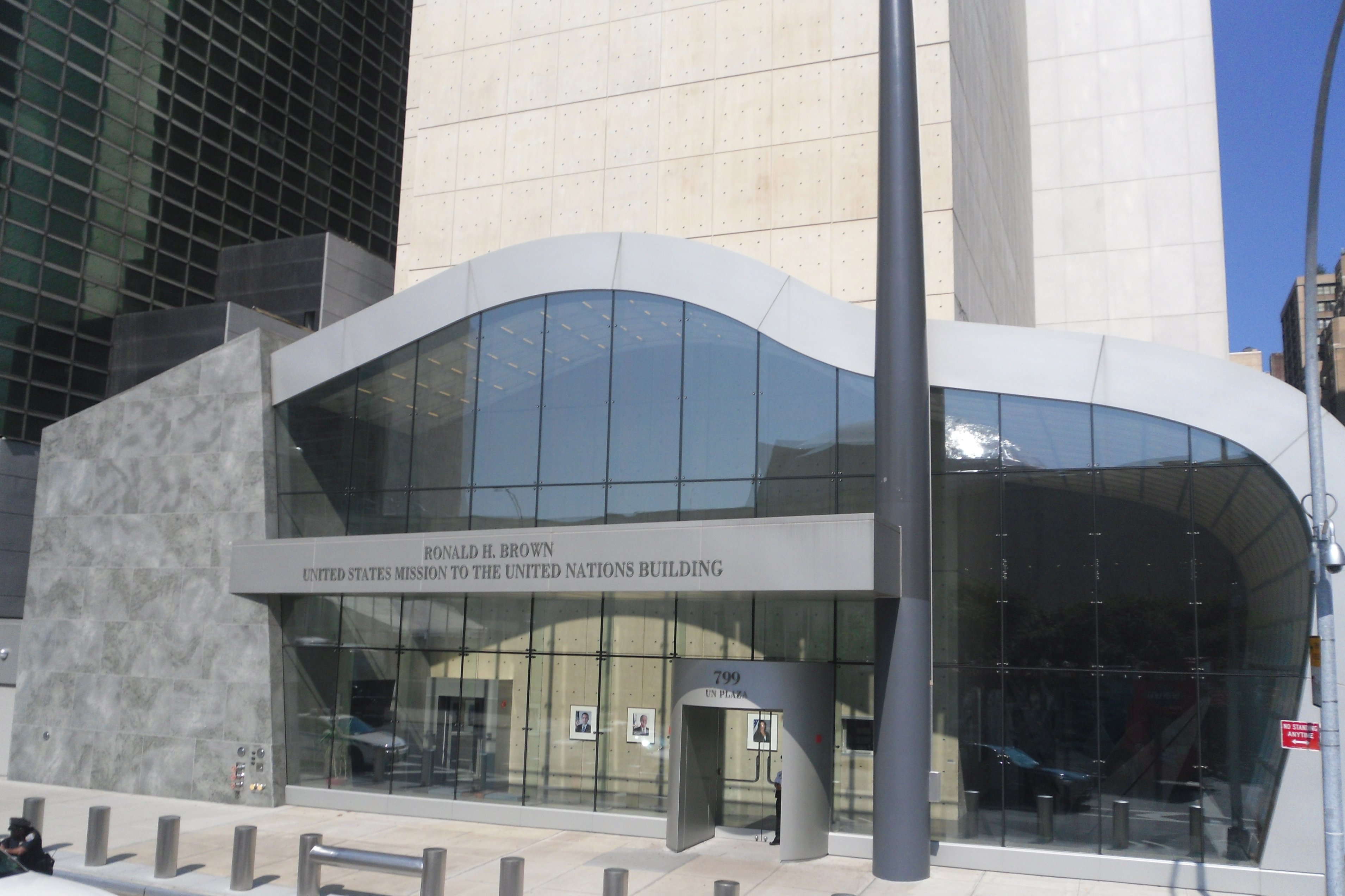
| U.S. Mission to the U.N. Source: Elmschrat CC |
The United States has supported a Greek-sponsored UN resolution (A/RES/67/80) titled "Return or restitution of cultural property to the countries of origin." The resolution (A/67/L.34), adopted by a consensus the General Assembly on December 12, urges nations to take antiquities trafficking seriously. It was co-sponsored by 98 member states, including Canada, China, Italy, Mexico, Russia, Spain, and the United States.
A United Nations press statement remarked,"By the text, the Assembly deplored damage to world cultural heritage sites, particularly in recent conflict and crisis situations, and called for an immediate end to such acts, reminding States Parties to the 1970 Convention on the Means of Prohibiting and Preventing the Illicit Import, Export and Transfer of Ownership of Cultural Property of their obligations."
In his address to the UN General Assembly, Ambassador Anastassis Mitsialis of Greece said, "Despite concerted international efforts to tackle the problem, illicit traffic of cultural property continues to pose a serious threat to cultural heritage of States. This threat is higher in situations of crisis and conflict, when cultural objects are often smuggled outside their countries of origin." Ambassador Mitsialis added that "interaction with the international art market in view of improving practices in various areas of expertise such as provenance, investigation, ethics and procedures of restitution proves to be of paramount importance." Representatives from Argentina, Cyprus, Italy, and Turkey also spoke on the assembly floor in support of the resolution.
The resolution, in part, "Urges Member States to introduce effective national and international measures to prevent and combat illicit trafficking in cultural property, including publicizing legislation and offering special training for police, Customs and border services and to consider such trafficking a serious crime, as defined in the United Nations Convention against Transnational Organized Crime." UNTOC, ratified by the U.S. in 2005, defines serious crime as "conduct constituting an offence punishable by a maximum deprivation of liberty of at least four years or a more serious penalty."
The UN resolution "Also recognizes the importance of cooperation among States in the fight against illicit trafficking of cultural property, as well as its illegal removal from the countries of origin, through, inter alia, the conclusion of bilateral agreements and mutual legal assistance, including the prosecution of persons involved in such activities and extradition, in accordance with the laws of cooperating States and under applicable international law."
A video covering the introduction, discussion, and adoption of the resolution appears below (total time: 30 minutes). The discussion references an August 1, 2012 report of the Director-General of the United Nations Educational, Scientific and Cultural Organization on the return or restitution of cultural property to the countries of origin, which can be viewed here.
This post is researched, written, and published on the blog Cultural Heritage Lawyer Rick St. Hilaire at culturalheritagelawyer.blogspot.com. Text copyrighted 2012 by Ricardo A. St. Hilaire, Attorney & Counselor at Law, PLLC. Any unauthorized reproduction or retransmission of this post is prohibited. CONTACT: www.culturalheritagelawyer.com


